History of Traditional Carpet Weaving
Carpet weaving has existed for thousands of years. It began as a practical craft used to create warmth and comfort in colder regions. Over time, it evolved into an art form associated with royalty and cultural identity.
Carpet Weaving in Ancient Persia
Ancient Persia is widely regarded as the birthplace of some of the finest carpets in history. Persian weavers developed intricate knotting techniques and floral motifs that remain influential today.
Persian carpets were traded along historic trade routes and became symbols of wealth and artistry.
Traditional Indian Carpet Weaving
Traditional Indian carpets gained prominence during the Mughal era. Influenced by Persian techniques, Indian artisans developed their own distinctive patterns and colour palettes.
India remains one of the world’s largest exporters of handmade carpets. Regions like Kashmir and Bhadohi are known for their craftsmanship and contribution to the global hand knotted carpet industry.
Turkish & Central Asian Traditions
Turkish and Central Asian carpets are known for bold geometric patterns and tribal symbolism. These carpets often use natural dyes and thick wool for durability.
Each region developed distinct weaving styles, reflecting cultural stories and local identity.
Types of Carpet Weaving Techniques
Traditional carpet craftsmanship involves several weaving methods. Hand-knotting is one of the most respected techniques. It involves tying individual knots to create dense, durable carpets.
Flat-weaving techniques such as kilim weaving use interwoven threads without pile. These carpets are lighter and more flexible.
Hand-tufting, while not as old as hand-knotting, also requires skilled craftsmanship and allows for detailed designs with faster production.
Each technique offers different textures, durability levels, and aesthetic results.
Materials Used
Natural materials play a central role in traditional carpet weaving. Wool is the most common fiber due to its durability and softness. Silk is used for finer details and added sheen.
Cotton is often used in the foundation of carpets for strength. Natural dyes derived from plants and minerals create rich, long-lasting colours.
The choice of material influences both the appearance and longevity of a carpet.
Carpet Weaving as a Traditional Occupation
In many regions, carpet weaving traditional occupation supports thousands of families. Artisans work from home-based looms or community workshops.
This occupation requires years of practice to master knotting techniques and pattern interpretation. It also plays a significant role in preserving cultural identity.
Supporting traditional carpet craftsmanship helps sustain artisan communities and maintain heritage skills.
Famous Carpet Weaving Traditions Around the World
Several regions are recognized for their famous carpet weaving traditions. Persia is known for detailed floral and medallion designs. India is respected for its fine wool and silk carpets.
Turkey is famous for geometric tribal patterns, while Morocco is known for minimalist Berber designs. Each tradition reflects unique history and artistic expression.
These global traditions continue to influence modern carpet design.
Featured Traditional Carpets

Groomi Traditional Hand Tufted Carpet
The Groomi Traditional Hand Tufted Carpet features classic motifs and balanced colours. It suits living rooms that seek heritage design with modern comfort.
Traditional Coastal Diamond Premium Hand Tufted Carpet Coastal Diamond Premium Hand Tufted Carpet blends geometric inspiration with traditional craftsmanship. It works well in both contemporary and classic interiors.
Indigo Traditional Hand Tufted Carpet
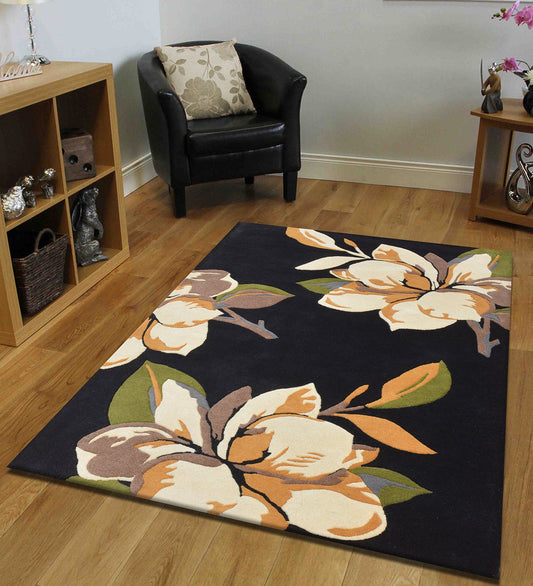
Indigo traditional carpets emphasize deep tones and intricate detailing. They add warmth and elegance to formal living spaces.
Difference Between Hand-Knotted and Machine-Made Carpets
Hand-knotted carpets are created by tying individual knots by hand. This makes them highly durable and unique. Machine-made carpets are produced quickly using automated systems.
Hand-knotted carpets often last longer and hold greater artistic value. Machine-made options are more uniform and budget-friendly.
The choice depends on budget, usage, and appreciation for craftsmanship.
How to Identify Authentic

-
Check the back of the carpet for slight irregularities caused by hand-knotting
-
Look for minor pattern variations, as handmade designs are not perfectly symmetrical
-
Observe natural dye variations that create subtle colour differences
-
Notice that machine-made carpets appear more uniform and consistent
-
Examine material quality, especially wool or silk used in the weave
-
Assess knot density to determine craftsmanship and durability
-
Evaluate overall finishing and detailing to confirm authenticity
Challenges Facing the Traditional Carpet Industry
The traditional carpet industry faces challenges such as competition from machine-made carpets and rising production costs.
Younger generations may shift away from weaving due to urban migration. Preserving traditional craftsmanship requires continued support from consumers and ethical businesses.
Promoting handcrafted carpets helps sustain artisan communities and maintain cultural heritage.
Conclusion
Traditional carpet weaving represents centuries of artistry, cultural identity, and skilled craftsmanship. From Persian and Indian traditions to Turkish and Central Asian styles, handmade carpets continue to influence global design.
Supporting traditional carpet craftsmanship not only preserves heritage but also ensures access to durable and meaningful home décor. With curated collections and artisan-focused production, brands like Carpet Planet contribute to sustaining these weaving traditions.
Investing in traditionally woven carpets means choosing authenticity, durability, and timeless beauty.
FAQs
1. What is traditional carpet weaving?
It is the manual process of creating carpets using hand-operated looms and knotting techniques passed down through generations.
2. Why are hand-knotted carpets valuable?
They require skilled craftsmanship and time-intensive production, resulting in durable and unique designs.
3. Which countries are famous for carpet weaving traditions?
Persia, India, Turkey, and Morocco are known for their historic weaving styles and techniques.
4. How can I identify authentic traditional carpets?
Check the back for hand-tied knots and slight irregularities, and look for natural dye variations.
5. Where can I find quality traditional carpets in India?
Trusted brands like Carpet Planet offer artisan-crafted traditional carpets with reliable quality and support.